

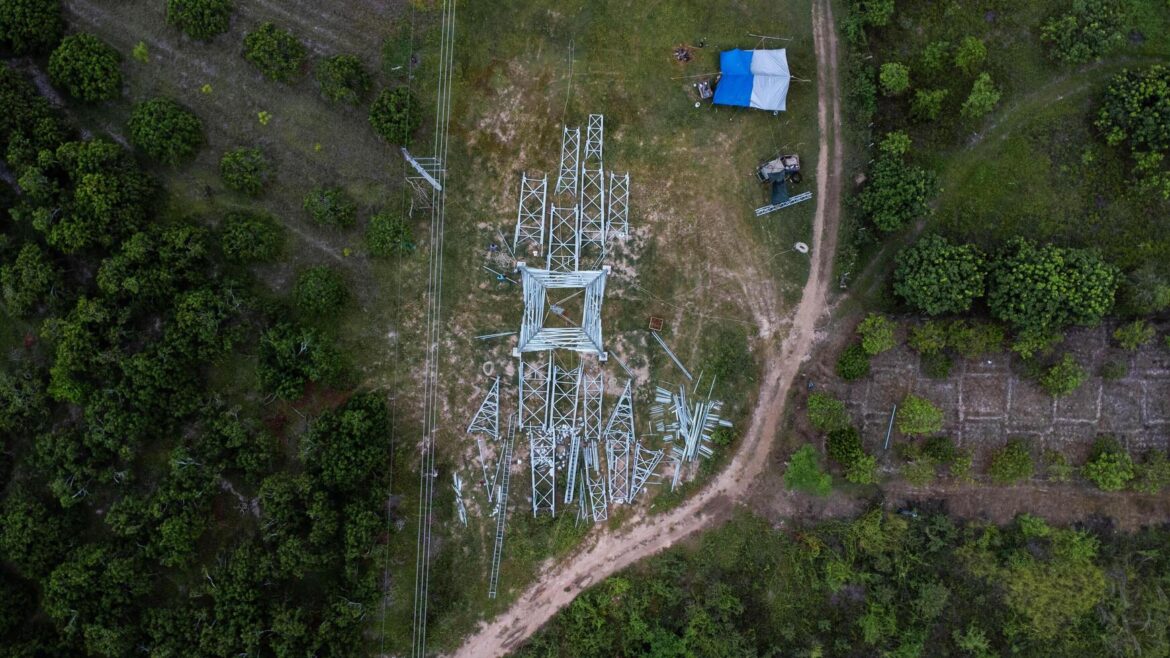
The utility sector has entered a transformative era, with drone technology leading the way in operational efficiency and safety. Literally reshaping the landscape of infrastructure maintenance, drones offer unprecedented advantages when inspecting power lines, pylons, and pipelines. The traditional methods often involved considerable manual labor, time, and risks associated with working at heights or in hazardous environments. Today, the introduction of a drone for utility inspection is altering this paradigm, providing an aerial perspective that provides more comprehensive data with greater speed and accuracy. In this article, we will explore how drones are revolutionizing utility inspections and the key areas where they are making a significant impact.
The Role of Drones in Power Line Inspections
Power lines form the backbone of our electricity infrastructure, making their maintenance critical to ensure a consistent energy supply. The use of drones for power line inspections offers a safer, more efficient approach compared to traditional methods. With advanced sensors and high-resolution cameras, drones can identify issues such as corrosion, wear and tear, and potential thermal hotspots from a distance, drastically reducing the need for on-site human intervention.
- Enhanced Safety: Drones eliminate the need for linemen to climb poles or work near high voltage lines, significantly reducing accident risks.
- Efficiency: Inspections that would traditionally take days can be done in a matter of hours.
- Cost-effective: Reduces labor costs and the need for expensive equipment like helicopters.
Inspecting Pylons with Precision
Pylons, as integral components of the transmission network, require regular assessments to identify structural integrity issues before they escalate. Drones equipped with LIDAR and other imaging technologies can create detailed 3D models of pylons, allowing for precise monitoring and maintenance planning.
- Structural Analysis: Drones gather data that helps engineers perform a comprehensive structural analysis without setting foot off the ground.
- Environmental Impact: Reduces the need for ground-based vehicles that might damage the surrounding land.
Pipeline Monitoring and Maintenance
Pipelines stretch across vast distances, often traversing remote or challenging terrains. The introduction of drones for inspecting these utilities represents a significant advancement in how pipeline maintenance is conducted. Utilizing drones for monitoring helps detect leaks, structural weaknesses, and areas prone to corrosion without the need for a physical on-site presence, thus minimizing environmental damage and operational downtime.
- Real-time Data: Drones provide real-time feedback, allowing for immediate response to potential leaks or damages.
- Access to Remote Areas: Equipped with GPS and robust navigation systems, drones can reach even the most inaccessible sites.
The Future of Utility Inspections
As the technology behind drones advances, their capabilities for utility inspections are expected to expand. Companies like Acecore Technologies are at the forefront of enhancing drone functionalities, as reflected in their increasing popularity as verified by reviews about Acecore Technologies. Integration with AI and machine learning technologies will likely allow drones to conduct more autonomous inspections and predictive maintenance, anticipating issues before they arise.
The utility sector stands to benefit greatly from the continued integration of drone technology, which promises to improve safety, efficiency, and cost-effectiveness. Utility companies are increasingly adopting drones not just as a tool, but as an integral part of their infrastructure management strategies. The next wave of innovation in this space holds the promise of a utility inspection process that is more automated, accurate, and environmentally friendly.
Soaring to New Heights: The Untapped Potential
The evolution of drones in the utility sector is a testament to the power of technology to transform industries. With each flight, drones push the boundaries of what’s possible, setting new standards for infrastructure inspection and maintenance. As adoption grows, they promise to literally elevate how companies manage and preserve critical infrastructure. With the continued advancements and integration of features, the potential for drone technology in utility inspections is, quite literally, sky-high.